

If you are missing teeth and exploring ways to restore your smile, one of the first questions you may ask is: “Are partial dentures comfortable?” Comfort plays a major role in how confident you feel when speaking, eating, and smiling. A partial denture solution is commonly used to replace missing natural teeth while maintaining the health and position of the remaining teeth.
This guide explains what comfort really means when wearing partial dentures, what affects how they feel in the mouth, and how many patients adapt over time.
What Are Partial Dentures and Who Are They For?
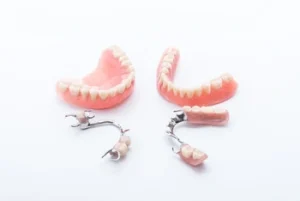
Partial dentures are removable appliances used to replace one or several missing teeth, adding additional teeth while working alongside existing teeth for support. Unlike complete dentures, which replace all teeth in either the upper or lower jaw, partial dentures are designed to work with the teeth that remain.
Partial dentures are commonly recommended for patients with multiple missing teeth but enough remaining natural teeth to support the appliance. These artificial teeth are secured to a supportive base that sits against the gums and is stabilised by the nearby teeth to help keep the denture in place.
They can be made from a range of denture materials, including acrylic resin, metal, or flexible material, depending on your needs and preferences.
So, Are Partial Dentures Comfortable at First?
 It is normal to experience an adjustment period with new partial dentures. Most patients describe the early days as unfamiliar rather than painful. Your mouth, gums, and remaining teeth need time to adapt to the shape and feel of false teeth.
Early sensations may include:
- Mild pressure on the gums
- Awareness of metal clasps or an acrylic base
- Changes in speaking
- Difficulty chewing certain foods
These sensations usually improve as the mouth adapts and as adjustments are made by a dental professional.
What Affects the Comfort of Partial Dentures?
Comfort varies from one patient to another. Several factors influence whether partial dentures fit comfortably and feel natural.
The Type of Partial Denture You Choose
There are different types of partial dentures, and each offers a different experience.
Acrylic partial dentures are commonly chosen as a short-term or more affordable option for replacing missing teeth. They use an acrylic base and artificial teeth made from acrylic resin. While functional, they can feel bulkier in the mouth.
Metal partial dentures are made with a slim metal framework that uses metal clasps to anchor securely onto existing teeth. Many patients find these more comfortable long-term because they are slimmer and more stable.
Flexible material dentures are made from soft, gum coloured materials. They can offer a natural appearance and improved comfort for some patients, particularly those prone to sore spots.
How Well the Denture Fits
A comfortable fit depends heavily on whether the denture is shaped correctly and adjusted to your mouth. Partial dentures should fit properly without pressing excessively on the gums or remaining teeth.
If dentures move around while eating or speaking, discomfort is more likely. A secure fit reduces friction, pressure points, and irritation.
Regular adjustments ensure the denture continues to fit comfortably as the mouth changes over time.
The Health of Your Gums and Remaining Teeth
Healthy gums and strong, remaining natural teeth contribute to better comfort. Inflammation, gum recession, or untreated oral health concerns can make wearing partial dentures more difficult.
A dentist will assess your mouth carefully before recommending treatment options to ensure the denture will be supported safely.
How Comfortable Are Partial Dentures for Eating?
Being able to eat naturally is a common concern for people who wear dentures. Partial dentures are intended to support normal function and help you chew a wide variety of foods more comfortably.
At first, eating may feel awkward. Soft foods are often recommended during the early stages of wearing partial dentures. Over time, most patients regain confidence and can chew more comfortably.
Metal partial dentures and implant-supported dentures often provide a more secure fit, which improves chewing efficiency and reduces difficulty with tougher foods.
Food particles may collect around dentures, so good cleaning habits are essential for comfort and oral health.
Speaking and Smiling With Partial Dentures
Speaking clearly can feel challenging at first. The tongue and lips must adjust to the shape of the artificial teeth and denture materials.
Reading aloud and practising conversation can help speed up the adjustment process. Most patients find their speech returns to normal within a few weeks.
A well-designed partial denture also supports a natural appearance, helping you smile with confidence. The shape, colour, and placement of replacement teeth are carefully chosen to blend with natural teeth.
Are Partial Dentures Comfortable Long Term?
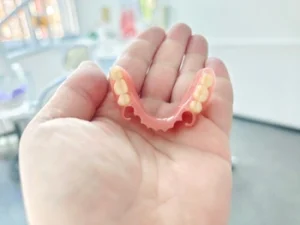 With time, most patients report that partial dentures fit comfortably and feel like a natural part of their mouth. Comfort improves as muscles adapt and as adjustments refine the fit.
However, changes in the gums and jawbone can occur over time. This can affect how dentures sit and may lead to movement or sore spots if left unaddressed.
Regular dental visits help maintain comfort and allow your dentist to adjust or replace dentures when needed.
Common Comfort Issues and How They Are Managed
Even well-made dentures can sometimes cause discomfort. Common issues include:
- Sore spots on the gums
- Pressure on remaining teeth
- Dentures that move around
- Irritation from metal clasps
These issues are usually resolved with simple adjustments. Never try to adjust dentures yourself, as this can damage the appliance and worsen discomfort.
A dental professional can reshape the denture base, modify clasps, or improve the fit to restore comfort.
How Partial Dentures Compare to Other Tooth Replacement Options
Partial dentures are one of several treatment options for missing teeth.
Dental implants replace missing teeth individually and do not rely on remaining teeth for support. While implants often provide a very natural feel, they involve surgery and may not be suitable for everyone.
Implant-supported dentures combine implants with dentures for added stability. These can offer improved comfort and a secure fit compared to removable partial dentures.
Each option has its own benefits, and the right choice depends on your oral health, goals, and other factors.
Tips for Making Partial Dentures More Comfortable
Here are practical tips to improve comfort when wearing partial dentures:
- Wear your dentures consistently to allow faster adjustment
- Clean dentures daily to prevent irritation and trapped food particles
- Remove dentures at night unless advised otherwise
- Attend regular dental appointments for adjustments
- Avoid hard or sticky foods during early wear
- Report discomfort early rather than waiting
These small steps help ensure dentures remain comfortable and functional.
What to Expect When Getting New Partial Dentures
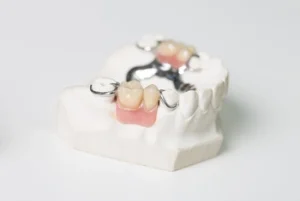 The process of getting partial dentures involves careful planning. Your dentist will assess your mouth, take impressions, and select denture materials suited to your needs.
During the fitting stage, adjustments are common. This is normal and expected. New partial dentures often require several visits to achieve a comfortable fit.
Patience during this process leads to better long-term comfort and satisfaction.
Are Partial Dentures Comfortable Overall?
So, are partial dentures comfortable? For most patients, the answer is yes, especially after an initial adjustment period. When designed well, fitted properly, and maintained with regular care, partial dentures can feel secure, natural, and comfortable.
They restore function, support oral health, and help replace missing teeth without placing unnecessary strain on existing teeth. With the right guidance from a dentist and ongoing adjustments as needed, partial dentures can become a reliable and comfortable solution for many people.
If you are considering partial dentures or want advice on improving comfort and fit, booking a consultation with the team at Good Choice/ Dental at (02) 8203 8760 can help you explore personalised treatment options and take the next step toward eating, speaking and smiling with greater confidence.
Note: Any surgical or invasive procedure carries risks. Before proceeding, you should seek a second opinion from an appropriately qualified health practitioner.
References
Colgate. (2023, January 25). How to clean dentures to avoid bacteria buildup. Colgate. https://www.colgate.com/en-ca/oral-health/dentures/how-to-clean-dentures-to-avoid-bacteria-buildup
Cleveland Clinic. (2025, August 4). How to follow a soft food diet. Cleveland Clinic. https://health.clevelandclinic.org/soft-food-diet
Mayo Clinic. (2024, October 23). Dental implant surgery. Mayo Clinic. https://www.mayoclinic.org/tests-procedures/dental-implant-surgery/about/pac-20384622



Recent Comments