

If you’ve ever wondered how to straighten lower teeth, you’re not alone. Many people focus on their upper teeth when thinking about a smile, but the alignment of your lower teeth is just as important for both oral health and overall appearance. Fortunately, there are multiple effective treatment options available to straighten lower teeth gradually.
In this guide, we’ll explore the causes of lower teeth misalignment, available treatment options, and what you can expect throughout the teeth straightening process, empowering you to make informed decisions for a healthier smile.
Understanding Lower Teeth Alignment
Misaligned lower teeth are a common dental issue that can influence both oral health and the overall appearance of your smile.
Crooked teeth, particularly in the lower teeth, can result from several factors. Properly addressing these issues is essential for achieving straight teeth and maintaining good oral hygiene.
Straight teeth improve your smile’s appearance and contribute to your oral health by making it easier to clean teeth and gums. Misaligned teeth can affect your bite, increase the risk of gum disease, and cause wear on other teeth.
Common Causes of Crooked Lower Teeth
Understanding the causes of crooked lower teeth can help you take the right steps towards straighter teeth and better oral health.
Several factors contribute to misalignment, and recognising them early can significantly improve your treatment options and outcomes.
 Genetics and Jaw Structure
Your genetics play a crucial role in the development of your jaw and the alignment of your teeth. A naturally smaller jaw may not provide enough space for all your teeth to emerge properly, often causing the lower front teeth to overlap, twist, or become crowded.
Even if your upper teeth are straight, a misaligned jaw can cause crooked lower teeth, affecting your bite and overall dental harmony.
Early or Late Loss of Baby Teeth
The timing of losing baby teeth can significantly influence the positioning of permanent teeth. Losing baby teeth too early may allow neighbouring teeth to drift into the space left by the baby teeth, reducing the room for the permanent teeth.
Conversely, retaining baby teeth for too long can prevent permanent teeth from emerging in the correct alignment, leading to crowding or crookedness in the lower teeth. Keeping an eye on the transition from baby teeth to permanent ones is essential for maintaining proper dental development.
Habits Affecting Teeth Alignment
Certain childhood habits can have a lasting impact on your lower teeth alignment. Thumb sucking, prolonged pacifier use, and tongue thrusting are common behaviours that can gradually push teeth out of their natural position.
These habits can affect both the aesthetics of your smile and your bite, sometimes requiring orthodontic treatment to correct the alignment later in life.
Missing Teeth or Dental Trauma
Missing teeth, whether due to injury, decay, or extraction, can cause adjacent teeth to shift into the space left by the missing tooth, resulting in misalignment of the lower teeth.
Similarly, trauma to the mouth or jaw can alter tooth position, sometimes causing crookedness or bite issues. Addressing missing teeth or dental injuries promptly helps prevent further complications and supports more effective teeth straightening outcomes.
Why Straightening Bottom Teeth Matters
Crooked lower teeth are more than just a cosmetic concern. Misalignment can contribute to dental issues such as:
- Increased risk of gum disease given the difficulty of cleaning crowded teeth
- Accelerated wear on other teeth due to an uneven bite
- Bad breath from trapped food particles
- Higher likelihood of tooth decay
By correcting the lower teeth, you can achieve a straighter smile that supports good oral health.
Treatment Options for Straightening Bottom Teeth
Correcting misaligned lower teeth is a personalised process, and the right treatment depends on your individual case, the severity of the crookedness, and your preferences regarding appearance and comfort.
Fortunately, modern dentistry offers several effective options to gradually straighten bottom teeth, each with its own benefits and considerations.
Traditional Metal Braces
Traditional braces have been a reliable solution for decades, particularly for complex alignment issues affecting both upper and lower teeth. They consist of metal brackets attached to the teeth, connected by wires that apply consistent pressure to move the teeth into their desired positions gradually.
While metal braces are more noticeable than other options, they are highly effective for correcting severe misalignment, crowded teeth, or bite issues. Treatment duration differs based on the complexity of the case, but regular dental visits ensure the braces are adjusted appropriately to achieve favourable outcomes.
Metal braces remain a reliable choice for both teenagers and adults seeking comprehensive orthodontic treatment.
Clear Aligner Treatment
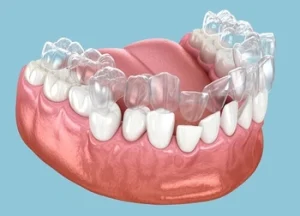
 Clear aligners, such as Invisalign® or ClearCorrect, provide a modern, virtually invisible alternative to braces. These customised aligners are designed to fit snugly over your lower teeth and gradually straighten them as part of a carefully planned treatment program.
Clear aligners are typically worn for most of the day and replaced every one to two weeks with the next set in the series. Because they are removable, patients can maintain good oral hygiene, eat without restrictions, and continue daily activities without the limitations sometimes associated with braces.
Clear aligners are particularly suitable for mild to moderate misalignment and are popular among adults and teenagers seeking a discreet orthodontic option.
Factors Affecting Treatment Choice
Choosing a suitable teeth straightening option depends on several factors:
- Severity of lower teeth crookedness
- Alignment of upper and lower teeth
- Presence of missing teeth or dental issues
- Age and overall oral health
- Personal preference for visibility or comfort
A dentist will create a tailored treatment plan to address your individual case and help you achieve straight teeth.
The Process of Straightening Bottom Teeth
Understanding the process of straightening lower teeth can help you feel more informed about your treatment journey.
While every individual case is unique, there are several key stages that patients can expect when working towards a straighter smile.
Initial Consultation
Your dentist will assess your lower front teeth and overall mouth structure. X-rays and impressions may be taken to develop a personalised treatment plan.
Wearing Braces or Aligners
Whether you choose traditional braces, ceramic braces, or Invisalign aligners, treatment involves gradually moving teeth to their desired position.
Metal braces may require periodic tightening, while clear aligners are generally changed every 1 to 2 weeks.
Maintaining Oral Hygiene
Good oral hygiene is crucial during treatment. Braces can trap food, while aligners should be cleaned regularly. Maintaining good oral health lowers the risk of gum disease and bad breath.
Post-Treatment Care
After your teeth have reached their desired position, wearing retainers helps maintain alignment.
Retainers are usually custom-made and can be removable or fixed, depending on your dentist’s recommendation.
Frequently Asked Questions
 Can I use DIY braces to straighten my teeth at home?
Some online solutions, such as DIY braces, may seem convenient but carry significant risks. Without professional supervision, there is a higher chance of damaging your teeth, gums, or jaw. Seeking guidance from a qualified dentist is the right approach.
How long does it take to straighten lower teeth?
Treatment duration varies. Mild misalignment may take a few months, while complex cases could take up to 2 years. Your dentist will offer an estimated timeline during your dental consultation.
Can I straighten the bottom teeth if I have missing teeth?
Yes, but your dentist will carefully assess the case. Missing teeth may require additional considerations or treatments to ensure proper alignment and bite function.
Conclusion
Straightening bottom teeth is a valuable step towards achieving a healthier mouth and a more balanced smile.
Whether you choose traditional metal braces or clear aligners, working with a qualified dentist ensures that your treatment is effective and tailored to your individual needs.
By following a personalised treatment plan, practising good oral hygiene, and wearing retainers as instructed, you can gradually straighten your teeth and enjoy the long-term benefits of a straighter smile.
If you’re considering how to straighten lower teeth and want personalised guidance, our experienced dental team is here to help. We can assess your individual case, discuss suitable treatment options, and create a tailored plan to help you achieve straighter teeth gradually and effectively.
Book a consultation with Good Choice Dental at (02) 8203 8760 and take the first step towards a healthier mouth and a straighter smile.
References:
Gurarie, M. (2024, September 30). 6 Reasons Your Teeth Shift Unevenly. Verywell Health. Retrieved December 3, 2025, from https://www.verywellhealth.com/teeth-shifting-5216653
Sherrell, Z. (2021, July 30). What Are Teeth Straightening Retainers? Medical News Today. Retrieved December 3, 2025, from https://www.medicalnewstoday.com/articles/teeth-retainer
WebMD Editorial Contributors. (2024, October 14). Dental Health With Crooked Teeth and Misaligned Bites. WebMD. Retrieved December 3, 2025, from https://www.webmd.com/oral-health/crooked-teeth-misaligned-bites


Recent Comments