

A dental filling is one of the most common treatments in dentistry. If your dentist has found a cavity or damaged tooth that needs attention, the next question is often: what kind of filling should it be?
The answer is not the same for every tooth or every patient. Different filling materials suit different situations, and understanding the options can help you have a more informed conversation with your dentist before your tooth fillings service appointment begins.
Quick Overview
- Dental fillings are used to restore teeth affected by decay, fracture, or wear, and several different materials are available
- The most suitable type may depend on where the tooth sits in the mouth, the size of the cavity, and your oral health history
- Some filling types are placed in a single visit, while others involve laboratory fabrication and require a second appointment
- How long a filling lasts and how it performs can vary based on the material used, bite forces, and how well the tooth is maintained
- A dentist will assess the tooth and recommend the most appropriate material based on your individual situation
Below, we explain each of the main types of dental fillings, what they are made from, and the situations in which each type is most commonly used.
What Is a Dental Filling?
A dental filling repairs a tooth that has been damaged by decay, fracture, or wear. When a cavity forms, the decayed material is removed and the space is filled with a restorative material to restore the tooth’s shape and function.
Fillings also help protect the tooth from further decay by sealing the area where bacteria were able to enter. Without treatment, decay can progress deeper into the tooth, eventually affecting the nerve and requiring more extensive treatment such as root canal therapy.
The type of filling your dentist recommends depends on a combination of clinical and individual factors, which the sections below cover in more detail.
Composite Resin Fillings
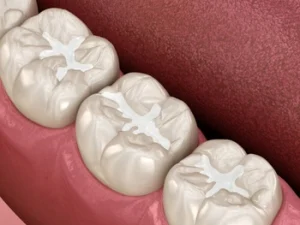 Composite resin is a tooth-coloured material made from a plastic resin base combined with fine glass particles. It is the most widely used filling material in Australia for visible teeth.
The dentist applies composite resin in layers directly to the prepared tooth, shaping each layer before hardening it with a curing light. Because composite bonds chemically to the tooth surface, it can support the remaining tooth structure and generally requires less removal of healthy tooth than amalgam.
Composite fillings are well suited to cavities in front teeth and other visible areas where appearance matters. They are matched closely to the colour of surrounding teeth. One consideration is that composite may be more prone to staining over time, particularly from coffee, tea, and red wine, compared to other materials.
Amalgam Fillings
Dental amalgam is a mixture of metals, including silver, copper, tin, mercury, and zinc. It has been used as a filling material for over 150 years and is well established for its strength and durability, particularly in back teeth that bear significant chewing forces.
Amalgam fillings have become less common in recent years, and some dentists no longer use them. One consideration is that placing an amalgam filling may require removing a greater portion of healthy tooth to allow the material to stay in place, compared to composite resin.
Dental amalgam is considered safe for use in most adults. It is generally not recommended for children, and is usually avoided in patients who are pregnant, breastfeeding, or who have kidney conditions. If you already have amalgam fillings that are intact and functioning well, they typically do not need to be replaced.
Glass Ionomer Fillings
Glass ionomer cement is a tooth-coloured filling material composed of a mixture of glass powder and an organic acid. It is not as strong as composite resin and is not well suited to areas of the mouth that bear heavy chewing forces.
Glass ionomer fillings release small amounts of fluoride, which can help protect the surrounding tooth structure against further decay. This makes them a useful option for certain situations, including small cavities in lower-stress areas, cavities near the gum line, and restorations in children’s teeth.
Glass ionomer is also commonly used for fissure sealing and as a base layer beneath other restorative materials. Because of its shorter lifespan compared to other filling types, it may need to be replaced sooner.
Gold and Porcelain Fillings
Gold and porcelain fillings are indirect restorations, meaning they are made outside the mouth in a dental laboratory and then fitted and cemented into the prepared tooth. This process typically requires at least two appointments: one to prepare the tooth and take an impression, and a second to place the finished restoration.
Gold fillings are highly durable and can withstand significant chewing pressure. They are most commonly used for molar teeth. Their metallic appearance means they are rarely used in visible areas of the mouth.
Porcelain fillings, sometimes called ceramic inlays or onlays, offer durability alongside a tooth-coloured appearance. A porcelain filling can be matched to the shade of surrounding teeth, making it a suitable option when both function and appearance are priorities. Porcelain fillings tend to be more costly than composite or amalgam.
Temporary Fillings
A temporary filling is a short-term restoration used when treatment needs to be carried out over more than one visit. This may apply when a tooth requires multiple sessions to address extensive decay, when a patient needs emergency dental care, or when a tooth is undergoing root canal treatment between appointments.
Temporary fillings are not designed to last and will be replaced by a permanent restoration once treatment is complete. Glass ionomer cement is one material commonly used for this purpose.
What Affects Which Filling Type Your Dentist Recommends?
No single filling material suits every situation. Your dentist will consider a range of factors before recommending a particular type.
These typically include the location of the tooth (front or back), the size and depth of the cavity, whether the area is subject to heavy chewing forces, aesthetic preferences, and individual health factors. Factors such as teeth grinding, existing sensitivity, and the presence of other restorations in the area can also influence the choice.
Cost and whether the material is covered by your dental insurance may also be relevant, and your dentist can discuss this as part of the treatment planning process.
A Considered Approach to Dental Fillings
 Understanding the types of dental fillings available means you can approach your next appointment with a clearer picture of what to expect. The right material depends on your individual tooth, your oral health history, and the goals you and your dentist agree on for that tooth.
At Good Choice Dental, our team assesses each tooth individually and explains the options before any treatment begins. We offer tooth fillings for patients across the Sydney area, and we also recommend regular check-ups and cleans as the best way to catch decay early, before a filling becomes necessary.
Call us on (02) 8203 8760 or book an appointment online.
Note: Any surgical or invasive procedure carries risks. Before proceeding, you should seek a second opinion from an appropriately qualified health practitioner.
Frequently Asked Questions
Which type of dental filling lasts the longest?
Gold fillings are among the most durable options available and can last many years with proper care. Amalgam fillings are also long-lasting, particularly in back teeth. Composite resin and glass ionomer fillings tend to have shorter lifespans. The longevity of any filling also depends on the location of the tooth, bite forces, and how well the tooth is maintained through brushing, flossing, and regular dental visits.
Are composite resin fillings as strong as amalgam?
Composite resin has improved significantly in durability and is suitable for most cavities, including those in back teeth. For very large cavities or teeth under heavy chewing pressure, a dentist may recommend amalgam, gold, or a ceramic restoration instead. The appropriate choice depends on the individual tooth and cavity size.
References
Better Health Channel. (2025). ‘Dental fillings’. Better Health Channel. Melbourne, VIC: Victorian Government Department of Health. https://www.betterhealth.vic.gov.au/health/conditionsandtreatments/dental-fillings
Australian Dental Association. (n.d.). ‘Fillings’. Teeth.org.au. Sydney, NSW: Australian Dental Association. https://teeth.org.au/fillings
Healthdirect Australia. (2025). ‘Dental fillings’. Healthdirect Australia, February. Sydney, NSW: Healthdirect Australia. https://www.healthdirect.gov.au/dental-fillings



Recent Comments