

A loose dental implant can be worrying for anyone who has undergone implant treatment. Dental implants are intended to remain stable and long-lasting, so when an implant feels loose, it is natural to question what may be occurring.
In many cases, a loose implant does not mean the entire implant has failed. Sometimes the issue may involve a component such as the crown or connector. Being aware of possible causes and recognising when to seek care can help protect oral health and reduce the risk of further complications.
This guide explains why a dental implant may become loose, what symptoms to watch for, and how dentists typically address the issue.
What Is A Dental Implant?
A dental implant is a common treatment used to replace missing teeth. Instead of resting on the gums like removable dentures, implants are placed into the jawbone.
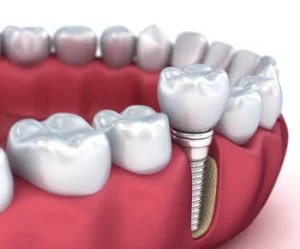
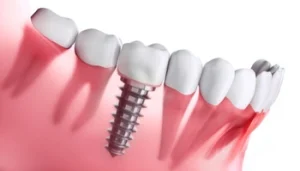 The implant system usually includes three parts:
- The implant fixture, which is placed into the bone
- The implant post or connector
- The prosthetic tooth, which is the visible crown
After the implant integrates with the surrounding bone, it forms a stable base for a dental restoration that works in a way similar to natural teeth.
What Does It Mean If An Implant Feels Loose?
When people describe a loose implant, they may notice that the tooth attached to the implant moves slightly. However, there are several possible explanations.
Sometimes the existing crown attached to the implant becomes loose. In other situations, the loose abutment (the connector piece) may be the issue.
Less commonly, the implant fixture itself may move within the bone. When this occurs, it may indicate implant failure and requires prompt attention.
Signs Of A Loose Dental Implant
Certain symptoms may suggest a problem with the implant.
Common signs include:
- The implant feels loose when chewing.
- Movement in the crown or prosthetic tooth.
- Discomfort around the implant area.
- Swelling or irritation at the implant site.
- Difficulty biting normally.
If a loose crown or implant movement is noticed, it is important to contact a dentist immediately.
Why Dental Implants May Become Loose
A dental implant can loosen for several reasons. Determining the underlying cause is important so loose implants can be managed correctly.
Loose Crown Or Abutment
Sometimes the implant itself is stable, but the crown attached to it has come loose. This may occur if the crown screw loosens over time or if the existing crown becomes worn.
In this case, the dentist can usually tighten or replace the component.
Bone Loss Around The Implant
The implant relies on healthy bone for support. If bone loss occurs around the implant, the stability of the implant may decrease.
Bone loss may happen due to infection, trauma, or periodontal disease affecting the surrounding tissue.
Gum Disease Around The Implant
Although implants cannot develop cavities, they can still be affected by gum disease. Infection around the implant may damage the surrounding bone, which may eventually cause the implant to loosen.
Maintaining good oral hygiene helps reduce this risk.
Too Much Pressure On The Implant
Excessive force from grinding or biting can place too much pressure on the implant.
Chewing hard or sticky foods during the healing period may also affect implant stability. Dentists usually advise patients to avoid putting pressure on the implant during early healing.
Healing Problems
After implant placement, the implant requires time to bond with the bone. If this process does not occur properly, the implant may not become fully stable.
Several factors can influence healing, including bone quality, oral hygiene habits, and general health.
Can A Loose Implant Be Treated?
In many situations, a loose implant can be treated successfully.
 The dentist will examine the implant and identify the exact problem. Once the cause is identified, a treatment plan can be developed.
Possible treatment options may include:
- Tightening a loose abutment
- Replacing a loose crown
- Treating infection around the implant
- Stabilising bone with bone grafting
- Replacing the implant if necessary
When the issue is detected early, treatment can often resolve the loose dental problem effectively.
How Dentists Diagnose Implant Problems
During the visit, the dentist will assess the implant and the tissues around it. X-rays may be used to evaluate the condition of the jawbone and check for bone loss.
The dentist will also assess the stability of the implant, crown, and connector components.
This evaluation helps determine whether the implant itself is loose or whether the issue involves the crown or abutment.
Preventing Implant Problems
Good daily habits can help protect implant stability and overall dental health.
Important preventive steps include:
- Maintaining good oral hygiene
- Brushing and flossing regularly
- Attending routine dental check-ups
- Avoiding excessive pressure on implants
- Limiting sticky foods during early healing
Consistent oral hygiene helps protect the tissues around the implant and supports long-term implant success.
Are Implant Failures Common?
Modern implants have high success rates, but complications can still occur.
Implant failure is uncommon, especially when implants are placed in healthy bone and patients maintain proper care. However, factors such as infection, trauma, or certain medical conditions may affect implant stability.
Rarely, allergic reactions to materials may occur, although this is extremely uncommon.
Final Thoughts
 A loose dental implant can feel concerning, but it does not always mean the implant has failed. In many cases, the problem may involve a loose crown or connector that can be corrected.
The key is early intervention. If an implant starts to move or feel loose, contacting a dentist promptly allows the problem to be assessed and treated before it worsens.
With proper dental care, good oral hygiene, and regular check-ups, dental implants can often remain stable for many years.
If you are concerned about a loose dental implant or would like your implant checked, you can book a consultation with us at Good Choice Dental or call (02) 8203 8760 to discuss your situation and receive personalised advice from a dentist.
Note: Any surgical or invasive procedure carries risks. Before proceeding, you should seek a second opinion from an appropriately qualified health practitioner.
Resources
“Colgate (2023). ‘What Is Good Oral Hygiene?’. Colgate Oral Care Center, 9 January. New York, NY: Colgate-Palmolive Company. https://www.colgate.com/en-us/oral-health/adult-oral-care/what-is-good-oral-hygiene”
“Cleveland Clinic (2023). ‘Periodontal Disease (Gum Disease)’. Cleveland Clinic Health Library, 10 April. Cleveland, OH: Cleveland Clinic. https://my.clevelandclinic.org/health/diseases/21482-gum-periodontal-disease”
“Mayo Clinic Staff (2024). ‘Dental Implant Surgery’. Mayo Clinic, 23 October. Rochester, MN: Mayo Foundation for Medical Education and Research. https://www.mayoclinic.org/tests-procedures/dental-implant-surgery/about/pac-20384622”



How Much Does A Teeth Implant Cost? Dental implants offer the opportunity to replace lost or missing teeth permanently but just how much does a teeth implant cost in Australia? It’s useful to consider dental implants Read more
Recent Comments