

Invisalign® treatment has been a reliable choice for many patients seeking to straighten their teeth discreetly rather than use traditional braces. However, some individuals find themselves thinking, ‘My teeth aren’t perfect after Invisalign.’ It is important to understand that while Invisalign aligners are effective for multiple teeth alignment issues, achieving the desired results can depend on several factors.
This article will guide you through why your Invisalign results might not be exactly as expected, what to do next, and how to maintain your new smile for the long term.
Why Teeth Might Not Look As Planned After Invisalign
Even after completing Invisalign treatment, some patients notice minor imperfections in their teeth alignment. Understanding the potential reasons behind teeth shifting can help you take the right steps to achieve your desired results.
1. Inconsistent Wear of Aligners
Your habits play a key role in how effectively your teeth move during treatment.
- Aligners are effective when worn 22 hours a day.
- Skipping aligners or removing them too often can prevent teeth from reaching their intended positions.
- Consistent wear is essential to the overall success of your Invisalign treatment.
2. Natural Tooth Movement
Teeth are living structures and can shift slightly even after treatment.
- Minor changes are common in areas prone to crowding or spacing.
- Wearing a retainer helps keep your teeth in their new positions.
- Regular monitoring ensures that any small shifts are addressed early.
3. Bite Issues or Underlying Alignment Concerns
Some alignment or bite issues may require extra attention after your main treatment is complete.
- Certain bite issues may remain after treatment ends.
- Additional treatment can correct these minor discrepancies.
- Small adjustments are a normal part of finalising treatment for many patients.
By recognising these factors, you can address crooked teeth and ensure your smile remains healthy, aligned, and long-lasting.
4. Gum Issues
Healthy gums are essential for predictable tooth movement and maintaining your Invisalign results.
- Inflamed or compromised gums can make teeth less stable and affect Invisalign aligners.
- Gum problems can cause slight tooth looseness, leading to unintended shifting.
- Addressing gum issues first ensures that refinement trays move teeth accurately.
- Regular dental check-ups and proper oral hygiene support long-term alignment.
5. Not Wearing Retainers
After completing Invisalign treatment, teeth naturally tend to move back towards their original positions.
- Skipping or inconsistently wearing a retainer can lead to regression and misalignment.
- Retainers are designed to help maintain the results of your treatment.
- Many patients find that consistent retainer use is key to long-term stability and an aligned smile.
By recognising these factors, you can approach any minor imperfections with clarity, knowing that targeted adjustments, consistent use of a retainer, and ongoing care can help your teeth remain aligned, stable, and healthy for years to come.
Additional Treatment Options After Invisalign
Even after completing Invisalign treatment, some patients may require additional interventions to achieve optimal teeth alignment.
These measures are intended to fine-tune your smile, address any minor discrepancies, and support long-term stability. 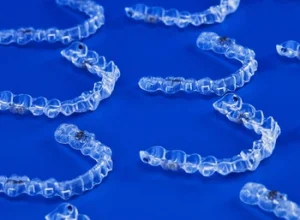
- Refinement Aligners: These additional rounds of aligners target areas where teeth didn’t fully reach their desired positions. Refinement trays are a common and normal part of completing treatment and can help ensure your teeth move precisely as planned.
- Bite Adjustment: Some patients may have residual bite issues that affect how teeth meet and function. Minor bite adjustments can improve both alignment and overall oral function.
- Lower Teeth Refinement: Subtle shifts or crowding in the lower arch may persist after the main treatment. Focused refinement helps ensure these teeth are aligned properly and contribute to a harmonious smile.
Your dentist will assess your individual case and develop a personalised treatment plan. This approach ensures your teeth remain aligned, any remaining bite issues are addressed, and your smile is aesthetically pleasing and functionally sound.
Importance of Retainers After Invisalign Treatment
Even after completing Invisalign treatment, your teeth can gradually shift back towards their original positions. Wearing your retainer as instructed is crucial after your treatment to:
- Maintain Alignment: Retainers help teeth stay in their new positions and prevent regression over time.
- Support Long-Term Results: Many patients find that consistent use of a retainer is key to sustaining a healthy smile.
Following your dentist’s instructions for retainer wear and care helps keep your teeth stable, aligned, and functional, supporting the appearance and health of your smile in the long term.
Maintaining Oral Health
Even while focusing on teeth alignment, maintaining excellent oral hygiene is essential for both your dental health and the longevity of your Invisalign results.
Healthy teeth and gums provide a stable foundation for your newly aligned smile, helping to preserve your treatment outcomes.
- Prevent Complications: Regular brushing, flossing, and dental check-ups reduce the risk of plaque buildup, gum inflammation, and tooth decay, all of which can compromise tooth stability.
- Support Tooth Movement and Retention: Healthy gums and strong teeth ensure that Invisalign aligners and refinement trays work effectively, allowing teeth to settle into their intended positions.
- Long-Term Smile Maintenance: Consistent oral care helps your teeth stay aligned, functional, and aesthetically pleasing, supporting a long-lasting smile.
By prioritising oral health throughout and after Invisalign treatment, you not only protect your teeth and gums but also enhance the effectiveness and durability of your alignment, helping you step towards a long-term, healthy smile.
Frequently Asked Questions
Can teeth whitening be done after straightening teeth?
 Yes, once your teeth are fully aligned, many patients choose to explore teeth whitening to enhance their new smile. Whitening can complement the alignment achieved with Invisalign, giving your teeth a refreshed, polished appearance.
It’s important to consult your dentist before starting any whitening treatment. They can recommend effective options for your teeth, taking into account your enamel, oral health, and any refinements you may have completed. Proper guidance helps you achieve brighter teeth while maintaining the stability and health of your newly aligned smile.
How long do refinement aligners take?
The duration varies depending on the amount of movement required. Typically, additional aligners are worn for a few weeks to a few months, similar to your main treatment schedule.
Why do lower teeth sometimes need extra refinement?
The lower teeth are naturally more prone to subtle shifts and crowding, which can make them harder to align fully during the main Invisalign treatment. Several factors contribute to this:
- Jaw Space and Tooth Size: The lower jaw often has less space, so that teeth may overlap or rotate slightly.
- Bite Forces: The lower teeth take more pressure during chewing, which can influence how they settle.
- Natural Tooth Movement: Teeth naturally drift over time, and lower incisors are especially prone to small changes.
Because of these factors, your dentist may recommend lower teeth refinement using additional aligners or targeted adjustments. This helps ensure your bite functions comfortably, your teeth stay aligned, and your smile looks balanced and harmonious.
Final Thoughts
 Noticing that teeth don’t look as planned after Invisalign is not uncommon. For many patients, additional treatment, aligner refinement, and consistent retainer use are essential steps to achieving aligned teeth and maintaining a healthy-looking smile.
By staying engaged with your dentist, following your treatment plan, and prioritising oral hygiene, you can keep your teeth aligned and stable for years to come.
Remember, minor imperfections are a normal part of the teeth straightening process. With proper follow-up, many patients find that small adjustments are all that is needed to achieve desired results from this orthodontic treatment in Burwood.
If you have questions about your Invisalign results, refinements, or post-Invisalign care, book a consultation with Good Choice Dental at (02) 8203 8760.
Our team can guide you through the next steps to ensure your teeth stay aligned, healthy, and stable for the long term.
References
Gurarie, M. (2024, September 30). 6 Reasons Your Teeth Shift Unevenly. Verywell Health. Retrieved December 3, 2025, from https://www.verywellhealth.com/teeth-shifting-5216653
Sherrell, Z. (2021, July 30). What Are Teeth Straightening Retainers? Medical News Today. Retrieved December 3, 2025, from https://www.medicalnewstoday.com/articles/teeth-retainer
WebMD Editorial Contributors. (2024, October 14). Dental Health With Crooked Teeth and Misaligned Bites. WebMD. Retrieved December 3, 2025, from https://www.webmd.com/oral-health/crooked-teeth-misaligned-bites


Recent Comments