

Dental implant aftercare plays a central role in how comfortably your mouth settles after treatment and how reliably the implant integrates over time. The days and weeks following placement often bring unfamiliar sensations, small adjustments to routine, and questions about what is normal. Knowing what your mouth is adapting to and how daily choices influence healing helps you move through recovery with confidence and clarity. Clear dental implant aftercare tips early on help you avoid unnecessary stress while your mouth adjusts.
What Your Mouth Is Adjusting To After Implant Placement
Your body begins responding immediately after placement, and the early changes you notice are part of a carefully staged biological response. Understanding this process can make dental implant recovery feel more predictable and less overwhelming.
Why The First Few Days Can Feel Unfamiliar
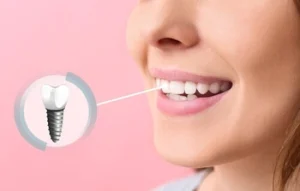 After dental implant surgery, it is common to feel pressure, tightness, or dull soreness near the surgical area. This sensation reflects the body’s response to a new structure being anchored into bone. The implant site may feel different from surrounding natural teeth, especially when you talk or swallow. These early sensations often settle as inflammation reduces and tissues adapt. Pain medication may be recommended for the short term to help manage discomfort while your body adjusts.
In some cases, your dental care provider may prescribe pain medication to help you rest comfortably during the first few nights. Keeping discomfort controlled supports steady routines and reduces unnecessary strain on healing tissues.
What Happens Below The Gum Line During Healing
Beneath the surface, bone and soft tissue begin working together during the healing process. A stable blood clot forms around the implant, protecting the area while new bone cells begin attaching. This biological activity is quiet but essential to long-term dental implant success. Disturbing this phase too early can interrupt integration. That is why protecting the surgical site matters even when discomfort feels minimal.
This internal repair phase relies on proper dental implant care to progress without disruption. Small actions taken during this stage help promote healing while tissues stabilise.
How The Implant Settles Beside Natural Teeth
A proper dental implant is designed to sit independently while working alongside surrounding natural teeth. Early on, the implant may feel slightly raised or different when your teeth meet. This sensation usually reflects swelling, not position. As tissues calm and pressure normalises, your bite often feels more familiar. Any ongoing bite awareness should be reviewed by your implant dentist during follow-up.
Balanced contact helps protect nearby teeth and supports long-term function after replacing missing teeth. Monitoring how the implant feels during everyday use allows adjustments before habits form.
Why Blood Clot Stability Matters Early On
The blood clot that forms after placement acts as a biological shield. It supports early tissue repair and helps prevent infection. Actions such as avoiding chewing directly over the area or disturbing it with the tongue help protect this clot. Losing it too soon can slow the smooth recovery process. Gentle care supports the clot until healing advances.
Protecting this area is part of proper aftercare, even when swelling appears minor. Stable early healing reduces the likelihood of later complications.
Changes You May Notice As Swelling Shifts
Swelling may peak a day or two after placement, then gradually shift downward with gravity. You might notice stiffness in the jaw or a sense of fullness nearby. This change does not mean complications are developing. As circulation improves and tissues relax, swelling reduces and comfort improves. Promoting circulation through light movement helps promote blood flow without stressing the area. Remaining hydrated and resting well support proper maintenance of healing tissues during this phase.
Gradual changes often reflect progress rather than problems.
Daily Care Choices That Help Implants Heal Well
Once the early healing phase begins, your daily habits have a direct influence on comfort, cleanliness, and long-term implant maintenance. Consistent routines make it easier to maintain good oral hygiene without overthinking each step.
Eating Soft Foods Without Disrupting Recovery
A soft food diet helps protect the area while tissues stabilise. Foods that require minimal chewing reduce strain on the implant during the healing period. Soft foods such as yoghurt, eggs, or soups allow nutrition without pressure. Hard foods, sticky foods, and foods that require tearing should be avoided early. Extremely hot foods and acidic foods can irritate tissues and slow healing.
It is also wise to avoid hot drinks until tenderness reduces and sensation feels more settled. Gentle eating patterns help manage pain during early recovery.
Cleaning Around The Implant With Gentle Control
Oral hygiene supports healing when done carefully. Using a soft-bristled toothbrush allows you to brush gently without disturbing stitches or tender tissue. Cleaning around the implant removes food particles that can irritate the gums. Implant-specific floss or an interdental brush may be recommended once the area tolerates light contact. An oral irrigator can assist when used on a low setting, directing flow away from the surgical area.
Effective cleaning lowers the risk of tooth decay developing near adjacent teeth. Healthy cleaning habits also reduce strain on sensitive gum tissue.
Managing Discomfort Without Overdoing Medication
Discomfort usually responds well to prescribed medication when taken as directed. Pain management works well when combined with rest and gentle routines. Overusing medication does not speed healing and may mask warning signs. If severe pain develops or worsens unexpectedly, it is important to contact your dentist for review.
Learning how to manage pain calmly helps you maintain normal routines during recovery. Pain patterns often ease as healing progresses.
Rest And Movement Balance During The Healing Period
Proper rest supports tissue repair and immune response. While light movement encourages circulation, strenuous activity can increase swelling or bleeding. Giving your body time to heal properly reduces stress on the implant and supports stability. Listening to how your body responds day by day helps guide safe activity levels.
Resting well also helps promote healing during the most active repair stages. Balanced movement prevents unnecessary strain on the surgical area.
Keeping Food Particles Away From The Surgical Area
Food trapped near the implant can irritate tissues and raise infection risk. Rinsing gently after meals helps clear debris without force. Brushing nearby areas carefully supports good oral hygiene practices without disturbing healing tissue. Keeping the area clean protects the surrounding gums as they adapt. Careful cleaning reduces irritation linked to gum disease around healing implants. Healthy gums support long-term implant stability.
When To Contact Your Dentist If Something Feels Off
Certain signs warrant immediate dental attention. Excessive bleeding that does not settle, increasing swelling, or sharp discomfort should not be ignored. Persistent soreness beyond the expected healing window may indicate irritation or delayed healing. Contact your dentist promptly if something feels unusual or if the dentist’s instructions feel unclear.
Early review helps protect results and supports proper aftercare decisions. Prompt advice often prevents small concerns from escalating.
 Care Today Shapes Implant Stability Tomorrow
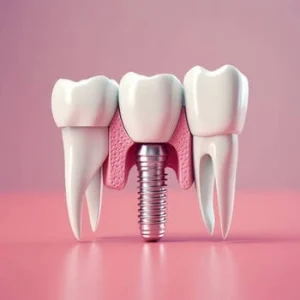 Care Today Shapes Implant Stability Tomorrow
Dental implant aftercare shapes how comfortably your mouth heals and how reliably the implant integrates over time. Paying attention to hygiene, diet, and rest supports oral health and implant success without unnecessary intervention. Following professional guidance and attending regular dental check-ups helps protect your investment and long-term comfort.
Simple daily choices, such as avoiding smoking and following guidance closely, can influence healing outcomes. Consistency over time supports lasting results.
If you have questions at any stage or would like support tailored to your recovery, contact our dentist to discuss the next step. Please call our practice at (02) 8203 8760.
Note: Any surgical or invasive procedure carries risks. Before proceeding, you should seek a second opinion from an appropriately qualified health practitioner.
References
https://dentistry.uic.edu/patients/dental-services/general-family-dentistry/guide-to-dental-implants-a-popular-option-for-tooth-replacement/
https://my.clevelandclinic.org/health/treatments/10903-dental-implants



How Much Does A Teeth Implant Cost? Dental implants offer the opportunity to replace lost or missing teeth permanently but just how much does a teeth implant cost in Australia? It’s useful to consider dental implants Read more
Recent Comments