

Implant-retained dentures are changing how many people think about tooth replacement. If you have struggled with ill-fitting dentures, missing teeth, or reduced confidence when eating and speaking, this treatment option may offer a more secure and comfortable solution. By combining dentures with dental implants, implant-retained dentures provide improved retention, stability, and long-term oral support while maintaining a natural-looking smile.
This guide explains implant-retained dentures in clear, everyday language, helping you understand how they work, who they may suit, and what the treatment process involves.
Understanding Implant Retained Dentures in Simple Terms
Implant-retained dentures are designed to attach to dental implants that are placed within the jawbone. Rather than relying only on the gums for support like traditional dentures, these dentures use implants to provide added stability, helping them remain secure during everyday activities such as speaking and eating.
Dental implants act like artificial tooth roots. Once placed into the jaw, they provide a stable anchor for dentures. The denture then connects to the implants via abutments or attachment systems, providing greater stability than conventional dentures.
This treatment option can be used for both upper and lower dentures and may be suitable for people with full dentures or those transitioning from an existing denture.
How Implant-Supported Dentures Differ From Traditional Dentures
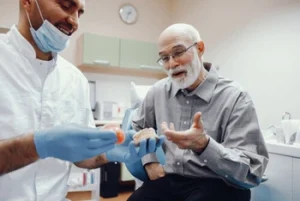 Traditional dentures rely on suction, gum support, and surrounding muscles to stay in place. While they can restore appearance, they may shift, loosen, or feel uncomfortable over time.
Implant-supported dentures offer a different experience by being securely attached to implants. This added support reduces movement, improves chewing ability, and helps many patients feel more confident when speaking or smiling.
Another key difference is how implants support the jawbone. Conventional dentures do not stimulate the bone, which can contribute to bone loss over time. Implant dentures help maintain jawbone health by transferring gentle pressure through the implants during use.
Who May Benefit From Implant Retained Dentures
Implant-retained dentures may be suitable for patients with multiple missing teeth or for full denture wearers seeking greater stability and comfort. They can be an effective tooth replacement option for people who experience ongoing issues with ill-fitting dentures.
Patients with sufficient jawbone to support implants are often good candidates. When bone loss is present, extra planning or preparatory treatment may be needed before moving ahead with implant placement.
A dentist will assess your mouth, gums, jaw, and overall oral health during a consultation to determine whether this treatment option is appropriate.
How Many Implants Are Usually Needed
The number of implants used varies depending on the jaw, denture design, and individual needs.
Many implant-retained dentures are supported by two to four implants. In some cases, only two implants may be used, particularly in the lower jaw, where bone density is often higher. For the upper jaw, four dental implants are commonly recommended to achieve reliable retention.
For patients considering full mouth implants or permanent dentures, additional implants may be required to support fixed dentures rather than removable options.
Implant Retained Versus Fixed Dentures
Implant-retained dentures are typically removable. This means they can be taken out for cleaning while remaining securely attached during daily use.
Fixed dentures are attached permanently and cannot be removed without professional assistance. While both options involve dental implants, the choice depends on personal preference, oral anatomy, and treatment planning.
Your dentist will explain whether removable or fixed dentures are better suited to your needs and lifestyle.
The Treatment Process Step by Step
Understanding the treatment process helps many patients feel more confident about implant treatment. While each case is unique, the general process follows several key stages.
Initial Consultation and Treatment Planning
The journey usually starts with a consultation, where your dentist assesses your teeth, gums, jawbone, and any existing denture you may be wearing. Scans or imaging may be used to assess bone levels and determine where to place dental implants.
Treatment planning considers factors such as the number of implants, denture type, and whether a temporary denture is needed during healing.
Implant Placement Procedure
Implant placement involves a surgical procedure that is carried out using suitable measures to support comfort throughout the treatment. During this stage, implants are placed into the jawbone at carefully planned positions.
This procedure usually takes one appointment, though more complex cases may require additional visits.
Healing and Integration
After implant placement, a healing period allows the implants to integrate with the jawbone. This process, known as osseointegration, helps ensure long-term stability.
Healing times vary but often take several months. During this phase, patients may continue wearing a temporary denture or a modified existing denture.
Attaching the New Denture
Once healing is complete, abutments are placed onto the implants. The new denture is then securely attached, creating implant-retained dentures that offer improved retention and comfort.
Final adjustments are made to ensure the denture fits well, feels comfortable, and supports natural speech and eating.
Living With Implant Retained Dentures Day to Day
 Many patients report noticeable improvements in comfort and confidence once they begin wearing implant dentures. Because the dentures are securely attached, there is less worry about movement when eating or talking.
Cleaning implant-retained dentures is usually straightforward. Removable dentures can be taken out for daily cleaning, while the implants and surrounding gums need gentle, thorough care to support ongoing oral health.
Regular dental appointments help ensure the implants, abutments, and dentures remain in good condition over time.
Benefits Beyond Stability and Comfort
Implant-supported dentures offer benefits that go beyond more stability. By supporting the jawbone, implants help slow bone loss that often follows tooth loss. This can help maintain facial structure and support a natural smile.
Many patients also find eating a wider variety of foods easier with implant-retained dentures compared to conventional dentures. This can support overall nutrition and quality of life.
For some people, the improvement feels life-changing, especially after years of struggling with ill-fitting dentures.
Potential Considerations and Costs
Like any treatment option, implant-retained dentures involve planning, time, and cost. The qq such as the number of implants, the type of denture, and whether additional procedures are required.
Payment plan options may be available to help spread the cost of treatment. Your dentist can discuss available options during your consultation.
Although implant treatment includes a surgical step, many patients feel the lasting improvements make the initial time and effort worthwhile.
Are Implant Retained Dentures Right for You
Implant-retained dentures are not the only treatment option for missing teeth, but they offer a reliable solution for patients seeking more retention and comfort.
 A thorough consultation with a dentist is the most effective way to explore whether implant-supported dentures suit your oral health, jaw structure, and personal goals. With careful treatment planning and professional guidance, implant-retained dentures can provide a secure, comfortable, and confident new smile.
If you are ready to explore a more stable approach to dentures and long-term tooth replacement, speaking with a dental professional about implant-retained dentures can be a valuable first step toward improved comfort and oral well-being.
To find out whether this treatment option may be right for you, book a consultation with Good Choice Dental by calling (02) 8203 8760 and receive personalised advice tailored to your smile and oral health needs.
Note: Any surgical or invasive procedure carries risks. Before proceeding, you should seek a second opinion from an appropriately qualified health practitioner.
References
Mayo Clinic Staff. (n.d.). Oral health: A window to your overall health. Mayo Clinic. https://www.mayoclinic.org/healthy-lifestyle/adult-health/in-depth/dental/art-20047475
Polident. (n.d.). Ill-fitting dentures: Symptoms, potential complications and more. Polident. https://www.polident.com/en-us/full-dentures/denture-care/dealing-with-ill-fitting-dentures/
World Dental Federation. (n.d.). Dental implants. FDI World Dental Federation. https://www.fdiworlddental.org/dental-implants



Recent Comments